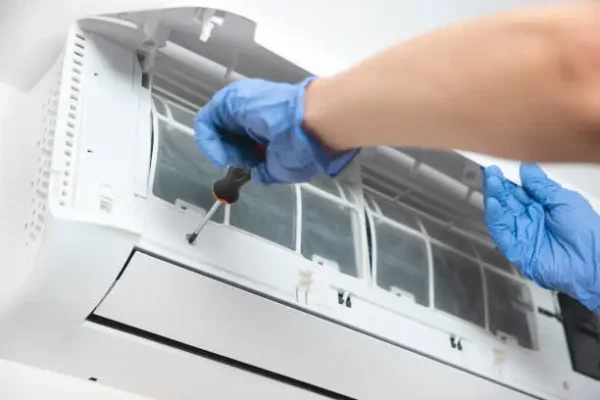
The air inside your home has a significant impact on your health, comfort, and overall well-being. While many homeowners focus on maintaining comfortable temperatures, they often overlook an equally important factor—indoor air quality. Dust, pollen, pet dander, mold spores, bacteria, volatile organic compounds (VOCs), and excess humidity can all circulate through your home, affecting the air you breathe every day.
Fortunately, modern Indoor Air Quality Solutions can dramatically improve your home’s air by reducing airborne pollutants, balancing humidity levels, and enhancing your HVAC system’s performance. Whether you’re dealing with allergies, asthma, unpleasant odors, or simply want a cleaner and healthier living environment, investing in indoor air quality improvements can make a noticeable difference.
In this guide, we’ll explore the most effective indoor air quality solutions, common causes of poor indoor air, and practical steps homeowners can take to create a healthier home.
Why Indoor Air Quality Matters
According to the U.S. Environmental Protection Agency (EPA), indoor air can sometimes be more polluted than outdoor air. Since most people spend approximately 90% of their time indoors, maintaining clean air inside the home is essential for overall health.
Poor indoor air quality can contribute to:
- Allergy symptoms
- Asthma flare-ups
- Headaches
- Eye, nose, and throat irritation
- Fatigue
- Respiratory illnesses
- Poor sleep quality
- Unpleasant indoor odors
Good indoor air supports better health, greater comfort, and improved HVAC efficiency.
Common Causes of Poor Indoor Air Quality
Understanding the sources of indoor pollution is the first step toward finding the right Indoor Air Quality Solutions.
Dust and Allergens
Dust is one of the most common indoor pollutants.
It often contains:
- Pet dander
- Pollen
- Dust mites
- Fabric fibers
- Dirt particles
Without proper filtration, these contaminants continue circulating through your HVAC system.
High Humidity
Excess moisture encourages the growth of:
- Mold
- Mildew
- Bacteria
- Dust mites
High humidity also makes your home feel warmer than it actually is.
Low Humidity
During winter, dry indoor air may cause:
- Dry skin
- Sore throats
- Static electricity
- Cracked wood furniture
- Respiratory discomfort
Balanced humidity is essential for year-round comfort.
Volatile Organic Compounds (VOCs)
Many household products release VOCs into the air.
Common sources include:
- Paint
- Cleaning supplies
- Air fresheners
- Furniture
- Carpeting
- Adhesives
These chemicals may contribute to headaches, irritation, and poor indoor air quality.
Poor Ventilation
Modern homes are built to be energy efficient, which often means they are tightly sealed.
Without adequate ventilation, pollutants become trapped indoors.
Signs Your Home Has Poor Indoor Air Quality
Many homeowners don’t realize air quality has declined until symptoms become noticeable.
Common warning signs include:
- Frequent allergy symptoms
- Persistent coughing
- Excessive dust buildup
- Mold growth
- Musty odors
- Dry air during winter
- High indoor humidity
- Condensation on windows
- Uneven temperatures
- Stale indoor air
If several of these symptoms occur regularly, it may be time to explore professional indoor air quality improvements.
Best Indoor Air Quality Solutions
Today’s HVAC technology offers numerous ways to improve indoor air quality.
1. High-Efficiency Air Filters
Your HVAC filter plays a crucial role in trapping airborne contaminants.
High-efficiency filters capture:
- Dust
- Pollen
- Pet dander
- Mold spores
- Fine particles
Replacing filters every one to three months helps maintain airflow and filtration efficiency.
2. Whole-Home Air Purifiers
Whole-home air purifiers work alongside your HVAC system to remove microscopic airborne particles.
Benefits include:
- Cleaner air
- Reduced allergens
- Fewer airborne bacteria
- Improved odor control
- Better respiratory comfort
Many systems use advanced filtration or electronic air cleaning technologies.
3. UV Germicidal Lights
Ultraviolet (UV) lights are installed inside HVAC systems to reduce microbial growth.
They help control:
- Mold
- Bacteria
- Viruses
- Biofilm on evaporator coils
UV technology complements filtration systems for improved indoor air quality.
4. Whole-Home Humidifiers
Dry winter air can make your home uncomfortable.
Whole-home humidifiers help:
- Protect wood flooring
- Reduce dry skin
- Improve sleep comfort
- Minimize static electricity
- Support respiratory health
Unlike portable units, whole-home humidifiers distribute moisture evenly throughout the house.
5. Whole-Home Dehumidifiers
High humidity encourages mold growth and increases indoor discomfort.
A whole-home dehumidifier helps:
- Control moisture
- Prevent mold
- Reduce dust mites
- Improve comfort
- Protect your home’s structure
Proper humidity levels generally range between 30% and 50%.
6. Improved Ventilation Systems
Fresh outdoor air dilutes indoor pollutants.
Modern ventilation systems help remove stale air while introducing filtered outdoor air.
Benefits include:
- Reduced indoor pollutants
- Better oxygen circulation
- Improved comfort
- Balanced humidity
7. Duct Cleaning and Sealing
Dirty or leaking ductwork can distribute dust throughout your home.
Professional duct services help:
- Improve airflow
- Reduce airborne debris
- Increase HVAC efficiency
- Minimize energy loss
While duct cleaning isn’t always necessary, heavily contaminated systems may benefit from professional service.
How HVAC Maintenance Improves Indoor Air Quality
Your heating and cooling system directly affects the air you breathe.
Routine HVAC maintenance includes:
- Air filter replacement
- Coil cleaning
- Blower inspection
- Drain cleaning
- Airflow testing
- System cleaning
A clean HVAC system circulates cleaner air while operating more efficiently.
Annual maintenance also helps identify developing issues before they impact indoor air quality.
Simple Ways Homeowners Can Improve Indoor Air
In addition to professional Indoor Air Quality Solutions, homeowners can take several everyday steps to improve indoor air.
Replace HVAC Filters Regularly
Dirty filters reduce airflow and allow contaminants to circulate.
Check filters monthly.
Vacuum Frequently
Use vacuums equipped with HEPA filters to capture fine dust and allergens.
Pay extra attention to:
- Carpets
- Upholstery
- Curtains
- Area rugs
Keep Humidity Balanced
Use humidifiers during winter and dehumidifiers during humid summer months when necessary.
Maintaining proper humidity discourages mold growth while improving comfort.
Reduce Indoor Pollutants
Limit the use of products containing harsh chemicals.
Choose low-VOC alternatives whenever possible.
Improve Ventilation
Open windows when outdoor conditions permit.
Use kitchen and bathroom exhaust fans to remove moisture and pollutants.
Keep Air Vents Clean
Vacuum supply and return vents periodically to reduce dust buildup.
Avoid blocking vents with furniture.
Benefits of Investing in Indoor Air Quality Solutions
Improving indoor air offers advantages that extend far beyond cleaner breathing.
Homeowners often experience:
Better Health
Cleaner air reduces exposure to allergens, dust, mold, and airborne irritants.
Greater Comfort
Balanced humidity improves year-round indoor comfort.
Improved HVAC Performance
Clean systems operate more efficiently while reducing equipment wear.
Lower Energy Costs
Efficient airflow and clean components reduce energy consumption.
Longer HVAC Equipment Life
Reduced strain on heating and cooling systems helps extend equipment lifespan.
Cleaner Home
Better filtration means less dust settles on furniture and flooring.
Choosing the Right Indoor Air Quality Solution
Not every home requires the same air quality improvements.
The best solution depends on your home’s specific concerns.
Allergy Sufferers
Recommended options include:
- HEPA filtration
- Air purifiers
- UV lights
Homes With Pets
Helpful solutions include:
- High-efficiency filters
- Air purifiers
- Frequent filter changes
Homes With High Humidity
Recommended systems:
- Whole-home dehumidifiers
- Ventilation improvements
Homes With Dry Winter Air
Whole-home humidifiers help restore comfortable moisture levels.
Older Homes
Professional HVAC inspections can identify airflow issues, duct leaks, and ventilation concerns affecting indoor air quality.
Indoor Air Quality Solutions for Homeowners in Big Rapids, MI
Michigan homeowners experience changing seasons that can affect indoor air quality throughout the year. Winter heating often dries indoor air, while warmer months can introduce excess humidity, pollen, and allergens.
For homeowners seeking reliable Indoor Air Quality Solutions in Big Rapids, MI, scheduling routine HVAC maintenance and installing whole-home air quality products can significantly improve indoor comfort and health. Local HVAC professionals can evaluate your home’s specific needs and recommend solutions such as air purifiers, humidifiers, dehumidifiers, advanced filtration systems, or ventilation upgrades to create a cleaner indoor environment year-round.
Frequently Asked Questions
How do I know if my indoor air quality is poor?
Common signs include allergy symptoms, excessive dust, musty odors, dry air, mold growth, and persistent respiratory irritation.
Are air purifiers worth it?
Yes. Whole-home air purifiers help reduce airborne particles, allergens, bacteria, and odors while improving overall indoor air quality.
How often should HVAC filters be replaced?
Most filters should be replaced every one to three months, depending on the filter type, household occupancy, and pets.
Can HVAC maintenance improve indoor air quality?
Absolutely. Routine maintenance keeps filters, coils, and airflow clean, helping your HVAC system circulate healthier air throughout your home.
Conclusion
Creating a healthier home begins with cleaner air. Investing in the right Indoor Air Quality Solutions can reduce allergens, improve respiratory health, balance humidity, eliminate odors, and enhance overall comfort for your family. From advanced air filtration and whole-home air purifiers to humidifiers, dehumidifiers, UV lights, and proper ventilation, there are numerous ways to improve the air you breathe every day.
Regular HVAC maintenance, timely filter replacements, and professional indoor air quality assessments are equally important for maintaining long-term performance and efficiency. If you’re noticing excessive dust, allergy symptoms, stale air, or humidity issues, now is the perfect time to take action.
For homeowners in Big Rapids, MI, partnering with a trusted HVAC professional ensures you receive customized indoor air quality solutions that fit your home’s unique needs. Cleaner air isn’t just about comfort—it’s an investment in your family’s health, your HVAC system’s performance, and your home’s overall well-being.